Finding Student Accommodation in Istanbul: A Practical Guide for International Students
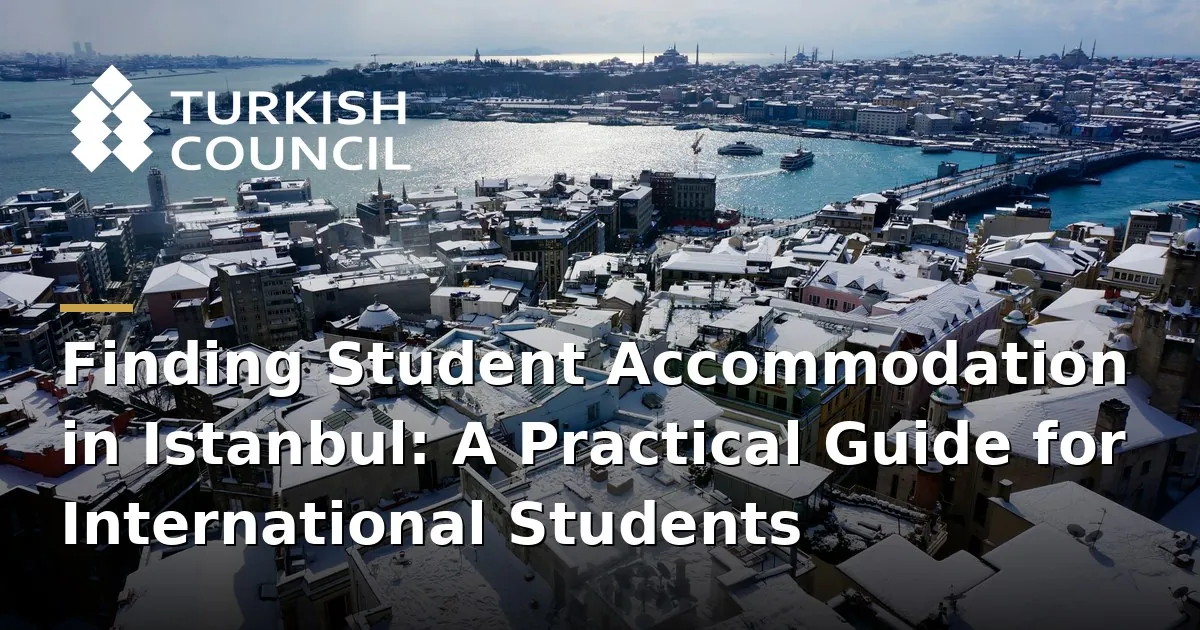
A practical guide to finding student accommodation in Istanbul, covering dormitories, private residences and rented apartments, the best districts,...
By Burak Ünal · · 11 min read
Choosing where to live matters almost as much as choosing what to study. The best cities in Turkey for students usually share three things: affordable rent, strong universities, and a daily life that is easy for newcomers. For most arrivals that shortlist begins with Istanbul, Ankara and Izmir. This guide compares your options section by section, so you can match a city to your budget, your field and the kind of student life you want.
There is no single right answer. A medical student in Ankara and a design student in Istanbul weigh things differently. What follows is a practical look at where to study in Turkey, what each place costs, and how to think about the cost of student life in Turkey before you sign a lease or accept an offer.
The best cities in Turkey for students stand out on five practical measures: university quality, the cost of living, transport, the size of the international community, and everyday safety. Weighing these honestly, rather than chasing a famous name, is how you avoid regret in your second semester.
When people ask us where to study in Turkey, we steer them back to these five points before we talk about any specific campus. A city that fits your budget and your field will serve you better than a well-known name that strains your finances.
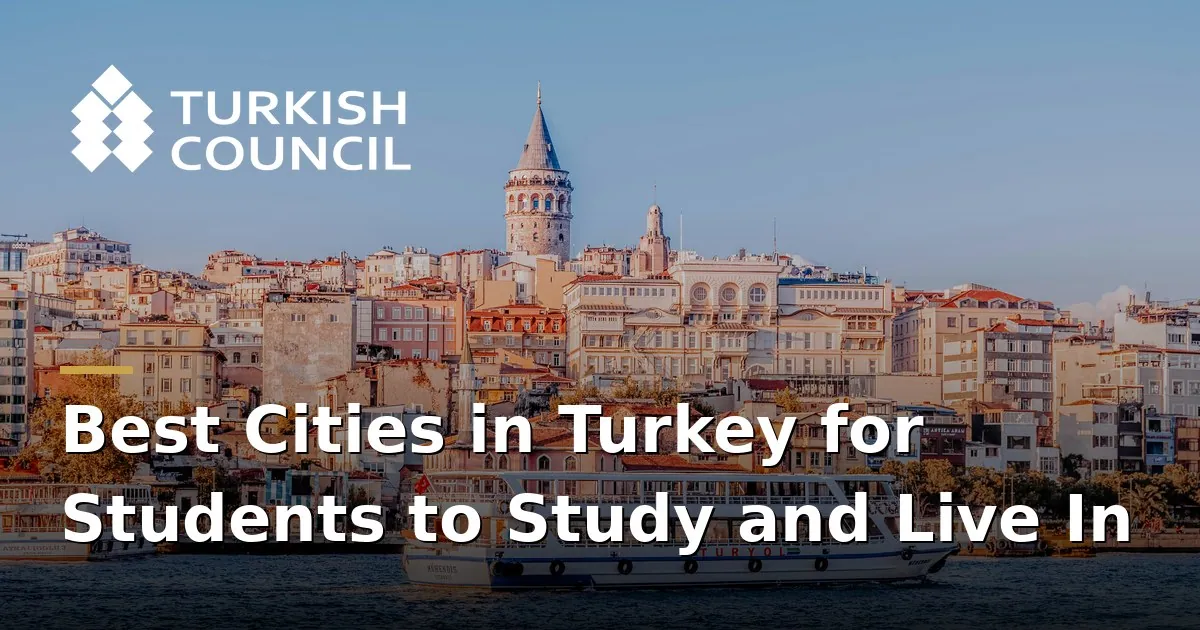
Istanbul is the busiest and most international of the best cities in Turkey for international students, and it offers the widest choice of universities and part-time opportunities. The city spans two continents and hosts public institutions such as Istanbul University, Boğaziçi University and Istanbul Technical University, along with a large number of private universities.
The trade-off is cost and scale. Rent and daily expenses are the highest in the country, commutes across the city can be long, and the sheer size can feel overwhelming at first. Istanbul suits students who want a fast pace, a strong market for internships, and a cultural life that rarely slows down. If your field is business, the arts, engineering or finance, the range of options here is hard to match.
Ankara is the capital and a strong choice for students who want serious universities without Istanbul's crowds and prices. As the seat of government, it is organised, well connected by metro, and home to a steady academic culture rather than a tourist one.
Its universities include Middle East Technical University (ODTÜ), Hacettepe University, Bilkent University and Ankara University, which are well regarded in engineering, medicine, social sciences and public policy. The cost of living is noticeably lower than Istanbul, and the dry, four-season climate brings cold winters and warm summers. Ankara rewards students who value study over sightseeing.
Izmir offers coastal, relaxed student life on the Aegean coast, and it is often the choice of students who want a balance between a real city and an easier pace. The seafront, mild winters and open, informal culture make it one of the more comfortable places to settle.
Universities such as Ege University, Dokuz Eylül University and the Izmir Institute of Technology give the city depth across medicine, engineering and the sciences. Costs sit between Istanbul and the smaller inland cities. For students who want the sea nearby and a lower-stress daily rhythm, Izmir is a natural shortlist entry.
Beyond the big three, several smaller cities rank among the best cities in Turkey for international students because they stretch a budget much further while still offering respected universities. These cities tend to suit students whose priority is value and focus rather than a big-city name.
Eskişehir is often described as Turkey's student town. Anadolu University and Eskişehir Osmangazi University give it a young population, a walkable centre and a lively, affordable social scene built around students.
Antalya pairs a Mediterranean climate with Akdeniz University and lower living costs than the big cities. The long tourist season also means seasonal part-time work and a steady flow of international visitors.
Bursa sits close to Istanbul but costs far less. Bursa Uludağ University anchors a historic, green city that is well connected to the rest of the Marmara region.
Konya is one of the most affordable options, with Selçuk University and Necmettin Erbakan University. It is more traditional and conservative in feel, which many students find calm and focused, and the cost of student life in Turkey is at its lowest in cities like this.
The table below sets the three largest student cities side by side on the dimensions that affect daily life the most. Use it as a starting point, then look closely at the specific programme you want.
| Dimension | Istanbul | Ankara | Izmir |
|---|---|---|---|
| Overall feel | Large, fast, international | Organised, academic, calm | Coastal, relaxed |
| Cost of living | Highest in the country | Moderate | Between the two |
| Flagship universities | Istanbul, Boğaziçi, Istanbul Technical | ODTÜ, Hacettepe, Bilkent | Ege, Dokuz Eylül |
| Climate | Mild, humid winters | Dry, cold winters | Mild, Mediterranean |
| Best for | Scale and opportunity | Academic focus | Balance and sea |
To shortlist the best cities in Turkey for students, start with your programme, then your budget, then the lifestyle you can live with for several years. That order keeps the decision grounded in what actually shapes your experience.
The honest answer to which city in Turkey is best for students depends on this balance, not on rankings alone. In our experience advising international students, the people who settle in fastest are those who picked a city that matched their budget and their field, not simply the most famous name on the map.
Wherever you study, you will need the correct visa and residence permit, and these rules are national rather than city-specific. Students from most countries enter on a student visa obtained from a Turkish consulate before travelling, then apply for a student residence permit after arrival.
The residence permit is handled by the Directorate General of Migration Management (Göç İdaresi); you can read the current requirements on goc.gov.tr. If you plan to learn Turkish before a degree, a Turkish language course visa and the matching residence permit let you study the language first.
Turkish Council enrols students with licensed partner language schools, whose teachers deliver the courses. As of the time this article is written, the residence permit and education programme is priced at 1,130 US dollars, with invitation letter and visa support at 300 US dollars. These figures and the rules behind them change often, so confirm the current details with an advisor. In our experience advising students across different cities, the paperwork is the same wherever you settle, so the city should come down to fit rather than process. Visa and residence permit decisions are made solely by the Turkish authorities, regardless of which city you choose.
In short, the best cities in Turkey for students come down to fit: Istanbul for scale and opportunity, Ankara for academic focus, Izmir for coastal balance, and smaller cities like Eskişehir, Antalya, Bursa and Konya for value. Decide where to study in Turkey by weighing your programme, your budget and the cost of student life in Turkey, and the right city becomes much clearer.
Turkish Council is an Istanbul-based education consultancy that has guided international students from over 40 countries through Turkish language course visas, student visas, residence permits and university admission since 2020. To discuss your own plans, reach us by phone or WhatsApp at +90 532 431 80 50, by email at contact@turkishcouncil.org, or visit us at Merkez Mahallesi Hasat Sokak No:12A, 34384 Şişli, İstanbul. Contact us for more information.
The best cities in Turkey for students are usually Istanbul, Ankara and Izmir, followed by more affordable options such as Eskişehir, Antalya, Bursa and Konya. Istanbul offers the widest choice and the highest costs, Ankara focuses on academics, and Izmir balances a real city with coastal calm.
For a tight budget, smaller cities answer the question of which city in Turkey is best for students better than the big three. Konya, Eskişehir and Antalya generally offer lower rent and daily costs than Istanbul, while still hosting respected universities.
Istanbul is the most expensive city in Turkey for students, but it is not out of reach with planning. Sharing an apartment, living outside the central districts and using a student transport card bring the cost down considerably.
You do not always need Turkish, because many programmes are taught in English, especially at private universities and in graduate courses. Even so, basic Turkish makes daily life far easier, which is why many students take a language course first.
If your goal is the language, where to study in Turkey matters less than the school you choose, since the course rather than the city sets your progress. Istanbul, Ankara and Izmir all have licensed language schools, and Turkish Council can enrol you with a partner school in the city you prefer.
Monthly costs vary widely by city, so the cost of student life in Turkey is best estimated per location. As a rough guide, a student in a smaller city can live on noticeably less than one in central Istanbul, as of the time this article is written; confirm current figures with an advisor.
No, student visa and residence permit rules are national and do not change from city to city. You apply through a Turkish consulate and the Directorate General of Migration Management wherever you study, and the authorities make the final decision.
Turkish Council is an education and immigration consultancy based in Şişli, Istanbul, that helps international students with Turkish language course visas, student visas, residence permits and university admission. Founded in 2020, we have advised more than 100 students so far, from more than 40 countries, and we work with local partners in many countries, in English, Turkish, French, Russian and Chinese. Turkish Council does not run a language school: we enrol students with licensed partner language schools, whose teachers deliver the courses. The firm was founded and is led by Burak Ünal, Founder and Managing Director, an experienced education consultant who holds a BSc in Business Management from Boğaziçi University and an MSc in Finance from the London School of Economics, and is a Chevening Scholarship holder. Visa and residence permit decisions are made solely by the Turkish authorities.
Disclaimer: This article is for general informational purposes only and you are strongly advised to consult a professional to evaluate your personal situation. No liability is accepted that may arise from the use of the information in this article.
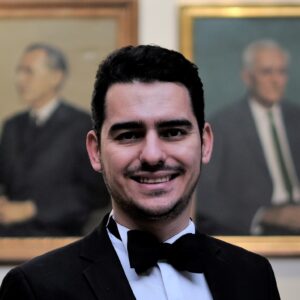
Founder and Managing Director, Turkish Council
Burak Ünal founded Turkish Council in Istanbul in 2020 and advises international students and foreigners on Turkish language course visas, residence permits and university admission in Turkey. He has advised more than 100 students from more than 40 countries, in English, Turkish and French.
A practical guide to finding student accommodation in Istanbul, covering dormitories, private residences and rented apartments, the best districts,...
Applying to study in Turkey? Learn the common mistakes foreign students make with visas, documents, timing and residence permits, and how to avoid...
Notarized documents student visa guide for Turkey: which papers need sworn translation and noter certification, plus the step-by-step process,...