Turkish Language Course Visa for Somali Students: A Complete Guide
The Turkish language course visa for Somali students, explained step by step: the documents, the application process, timeline, costs and the...
By Burak Ünal · · 12 min read
If you live in Uzbekistan and want to study Turkish on a registered course in Turkey, the visa you apply for is the Turkish language course visa. The Turkish student visa Uzbekistan process runs through the Turkish consulate that serves your region. In short, you secure a place on an approved language course, receive an official invitation letter, gather your documents, book a consulate appointment, and apply before you travel. This guide walks Uzbek students through every stage, and every figure below is accurate as of the time this article is written.
A Turkish language course visa lets a foreigner enter Turkey to study Turkish on a registered, government-recognised language course, as of the time this article is written. For most Uzbek students, this is the correct visa when the main purpose of the stay is learning Turkish rather than enrolling directly in a university degree. The Turkish student visa for Uzbek students is issued by a Turkish consulate before you travel, and it is later converted into a residence permit once you arrive and settle into your course. You cannot enter on a tourist visa and quietly switch to studying, because the purpose of entry has to match the visa stamped in your passport.
Uzbekistan and Turkey share close cultural and linguistic ties. Many families from Tashkent, Samarkand, Bukhara and Fergana send a son or daughter to Turkey to learn the language before applying to a Turkish university. In our experience advising international students, Uzbek applicants who arrange the language course visa first, then move on to university admission, follow a much smoother path than those who arrive without the right status and try to fix it later.
The Turkish student visa Uzbekistan process applies to any Uzbek citizen whose main reason for going to Turkey is to study, including study on a language course. If your goal is a Turkish language course of a few months or a full year, you apply for the language course visa specifically, which is a type of student visa. If you already hold a university offer, you apply for the university student visa instead. Getting this distinction right at the start saves weeks, because a consulate matches your invitation letter to the visa category you request.
There is a second reason the category matters. The visa in your passport is only an entry document. Once you land in Turkey, you have a limited window to apply for a residence permit through the Directorate General of Migration Management (Göç İdaresi), and the permit type has to line up with the visa you entered on. A clean Turkish student visa for Uzbek students at the consulate stage makes the residence permit stage far easier.
A Turkish student visa Uzbekistan application is built around one central document: the official invitation or acceptance letter from a registered Turkish language school. Around that, consulates ask for a consistent set of papers. The exact checklist can change, so treat the list below as a working guide and confirm the current version with your consulate or an advisor before you submit.
Students under eighteen normally need extra papers, including a notarised parental consent and a birth certificate, often with an apostille. In our experience advising international students, the single most common reason a file is sent back is a mismatch between the name on the passport and the name on the invitation letter or bank documents, so check that every spelling is identical across every page.
Learning how to get a Turkish student visa from Uzbekistan is easier when you treat it as a fixed sequence rather than a single event. The stages below follow the order most Uzbek students take, from choosing a course to landing in Turkey.
A careful Turkish student visa application from Uzbekistan rarely fails on the big things. It stumbles on small ones: a translation that was never certified, a bank statement that is a week too old, or an appointment booked at the wrong consulate. Slowing down at each step is faster than rushing and being asked to reapply.
The language course visa and the university student visa are both student visas, but they suit different stages of a study plan. Many Uzbek students use the first to prepare for the second. The points below set out the practical differences so you can see which fits your situation now.
For most families the sequence is natural. A student comes on the Turkish language course visa Uzbekistan applicants use, reaches a comfortable level of Turkish, and then applies to a university with far stronger language skills than a newcomer would have. The Turkish language course visa Uzbekistan route is, in that sense, a bridge into the wider education system rather than an end in itself.
From a complete application to an approved visa, Uzbek students should usually plan for a few weeks, though the exact time depends on the consulate's workload and the season. Applications tend to peak before the autumn and winter course intakes, so applying early in the cycle helps. As a rough guide, giving yourself around four to eight weeks between enrolling and your intended travel date leaves room for document preparation and any follow-up the consulate requests.
Costs fall into a few groups. There is the language course fee, which varies widely by school, city and course length. There is the consulate visa fee, which is usually modest and set by the consulate. Once in Turkey, the residence permit carries its own card fee and, in most cases, a health insurance cost. Because these figures move over time and differ between consulates, treat any amount you read online as approximate and confirm the current fees with the school, the consulate or an advisor before you budget. This is one area where a quick check saves an unpleasant surprise.
Most delays in a Turkish student visa application from Uzbekistan trace back to a small number of avoidable issues. Knowing them in advance is the simplest way to keep your application on schedule.
Knowing how to get a Turkish student visa from Uzbekistan is partly about the paperwork and partly about timing. When both are handled early, the process is calm and predictable.
The student visa gets you into Turkey, but the residence permit is what lets you stay for the length of your course. Shortly after arrival, you apply to the Directorate General of Migration Management (Göç İdaresi) for a residence permit that matches your language course. You will typically provide your visa, your enrolment proof, address details, health insurance and biometric photographs. Keep every document from your visa application, because much of it is reused at this stage. Starting the permit process promptly, rather than waiting until the visa is nearly expired, is the safest approach for Uzbek students settling in for a full course.
In short, the Turkish student visa Uzbekistan journey is a clear, ordered process: choose a recognised course, secure the invitation letter, prepare a clean document file, apply at the correct consulate, then convert the visa into a residence permit once you land. Handle each stage in turn and the path from Tashkent, Samarkand or anywhere in Uzbekistan to a language course in Turkey is well within reach.
Turkish Council is an Istanbul-based education consultancy that has guided international students from over 40 countries through Turkish language course visas, student visas, residence permits and university admission since 2020. To discuss your own plans, reach us by phone or WhatsApp at +90 532 431 80 50, by email at contact@turkishcouncil.org, or visit us at Merkez Mahallesi Hasat Sokak No:12A, 34384 Şişli, İstanbul. Contact us for more information.
It is a language course visa, a type of student visa issued by a Turkish consulate to Uzbek citizens whose main purpose is studying Turkish on a registered course. You apply before travelling, using an official invitation letter from the school, and convert it into a residence permit after you arrive in Turkey.
Most complete applications take a few weeks, though the time varies with the consulate's workload and the season. Applying four to eight weeks before your intended travel date usually leaves enough room for document preparation and any follow-up, as of the time this article is written.
You enrol on a recognised language course, receive the invitation letter, prepare your documents with any required translations and notarisation, book an appointment at the Turkish consulate that serves your region, attend and pay the fee, then travel once the visa is approved. After arrival, you apply for a residence permit.
No, you should not rely on entering as a tourist and switching. The visa in your passport must match your purpose of stay, so a language course student applies for the student visa at a consulate before travelling. Trying to change status after a tourist entry often causes problems.
No prior Turkish is required for most beginner language courses, which is exactly why students enrol. The course itself teaches you the language, and many Uzbek students use it to reach the level they need before applying to a Turkish university.
Consulates expect proof that you can support yourself during your stay, usually shown through recent bank statements. The exact amount is not fixed publicly and can change, so confirm the current expectation with the consulate or an advisor before you submit, because these requirements are updated from time to time.
A language course visa is for study, not employment, so it does not give a general right to work. Work rules for students are limited and separate, and you should confirm your position with an advisor rather than assume the visa allows a job.
Turkish Council is an Istanbul-based (Şişli) education consultancy specialising in study-in-Turkey services for international students. Since 2020, our consultants have guided students from over 40 countries through Turkish language course visas, student visas and residence permits, and university admission, working in English, Turkish, French, Russian and Chinese. The firm is led by Burak Ünal, an education consultant who holds a BSc in Business Management from Boğaziçi University and an MSc in Finance from the London School of Economics, and is a Chevening Scholarship holder. We focus on clear, step-by-step guidance.
Disclaimer: This article is for general informational purposes only and you are strongly advised to consult a professional to evaluate your personal situation. No liability is accepted that may arise from the use of the information in this article.
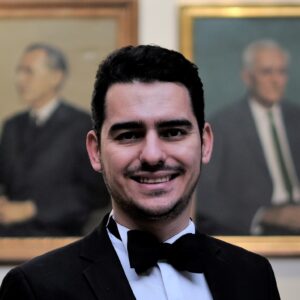
Founder and Managing Director, Turkish Council
Burak Ünal founded Turkish Council in Istanbul in 2020 and advises international students and foreigners on Turkish language course visas, residence permits and university admission in Turkey. He has advised more than 100 students from more than 40 countries, in English, Turkish and French.
The Turkish language course visa for Somali students, explained step by step: the documents, the application process, timeline, costs and the...
The Turkish language course visa for Indian students lets you study Turkish in Turkey.
The Turkish language course visa for Pakistani students lets you study Turkish in Turkey.